
Digital detox yourself: Using technology for productive means

Joel
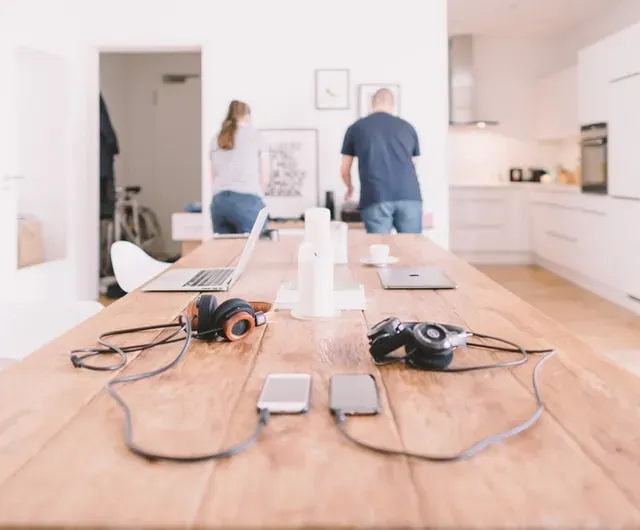
“Smartphone addictiveness is accelerating” - Captain Obvious.
The iPhone 1 was first introduced around 15 years ago.
It didn’t even have an App Store.
You could only access Facebook through a clunky mobile browser version, which didn’t even support “likes”.
Native app versions started appearing a couple years later making the experience smoother and “richer” (hello notifications!)
Fast forward to 2010, a tiny startup named after a type of alcohol pivoted and launched Instagram, which pushed smartphone “stickyness” to the next level.
Then came WhatsApp, Twitter, YouTube, Snapchat, Reddit, Supercell etc..
Phones got more powerful and data connections faster, apps now started and run radically faster.
Battery life increased to let you browse all day and night long…
No surprise then that we’re in a situation where the average person spends now over 12 hours each week just on TikTok! 😱
We don’t need academic studies to tell us that this rise in “trash” smartphone use corresponds to a decrease in time spent on deep work and study.
Homosapiens are ill equipped to fend off addictive apps designed by “retention” experts, increasingly augmented by analytics and AI. And why would we be?
Technology has progressed in a evolutionary blink of an eye, faster than our ability to adapt.
How do we fight back and win? By not playing their game.
Digital detox is an umbrella term for giving up unproductive technology use, through a combination of tactics and tools.
It can mean using software and hardware methods to hardlimit your time on those apps and devices.
It can mean having a friend change your social password so you can’t login to the app.
Or going further to uninstalling and deactivating your accounts.
It means only using the technology towards productive means (say that MIT video lecture series) and avoiding the 99% which are productivity sinkholes. It means practicing mindfulness when your eyes and fingers move to a device and asking yourself “why”.
Free up those hours and suddenly you have time to work on that creative project, launch your side hustle, network to land that dream job.
I’m cheering you on!
ps - the book Deep Work is great if you want to read more about how to free up time and focus. And if you want to cross to the dark side and learn how app designers design their products for addiction, I recommend Hooked and Addiction by Design (about slot machines, the gold standard for addiction from which many techniques are derived).

.B3r7fsvG_g5zEm.webp)